
LimitlessLove Blog
A Guide to OCD Dating: Finding Neurodivergent Love
Dating with OCD brings unique challenges - but also unique strengths. This guide covers communicating about compulsions, planning predictable dates, and building a relationship where you're a partner, not a patient.
Obsessive-compulsive disorder is one of the most misunderstood conditions in the dating world. Pop culture reduces it to a quirk about cleanliness or symmetry, but the reality is far more complex - and far more human. OCD dating means navigating intrusive thoughts, compulsions, and the anxiety that comes with them, all while trying to build a genuine romantic connection.
LimitlessLove was built for people who don't fit the mold of mainstream dating apps. Whether you're exploring dating with autism, navigating ADHD relationships, or managing dating with bipolar disorder, the platform offers a space where neurodivergence is the norm, not the exception. Neurodivergent love deserves the same depth and respect as any other kind of romance.
What OCD Actually Looks Like in Dating
OCD is characterized by intrusive, unwanted thoughts (obsessions) paired with repetitive behaviors or mental acts (compulsions) performed to reduce the anxiety those thoughts create. In a dating context, this can manifest as seeking excessive reassurance, needing rigid routines before a date, or experiencing intrusive doubts about the relationship itself - sometimes called relationship OCD. The key distinction: these behaviors are driven by anxiety, not preference, and they're often distressing to the person experiencing them.
Understanding OCD in Relationships
OCD doesn't just affect the person who has it - it ripples into the relationship in ways both partners need to understand. When compulsions involve a partner (seeking reassurance about feelings, needing things said a certain number of times, or requiring specific rituals before intimacy), the line between support and accommodation can blur. Without clear communication, one partner may feel like a caregiver, and the other may feel reduced to a diagnosis.
Here's where it gets interesting: many people with OCD are deeply self-aware. They know their compulsions aren't rational. They know the intrusive thoughts don't reflect their true values. But knowing isn't the same as feeling, and the anxiety cycle can be overwhelming in the moment. A partner who understands this distinction - who can offer support without enabling compulsions - is invaluable.
What does this mean in practice? It means the best relationships involving OCD are built on two foundations: professional treatment (typically ERP therapy and, when appropriate, medication) and mutual education. The partner without OCD doesn't need to become a therapist, but understanding the basics of the condition transforms the relationship dynamic from confusion to collaboration.
Communication
Talking About Compulsions
Honest conversations about OCD compulsions build trust and prevent misunderstandings. Here's how to approach them.
Disclosing OCD to a dating partner is a personal decision with no universal timeline. Some people share it in their profile; others wait until trust is established. What matters is that the conversation happens before compulsions create confusion or conflict. A partner who understands what's happening is far more likely to respond with patience than one who's left guessing.
LimitlessLove's human-led moderation team, which reviews reports within 24 hours, helps ensure that disclosing OCD doesn't expose you to judgment or harassment. Over half of the moderation team identifies as having a disability themselves, which means your experience is understood by people who get it.
How to Frame the Conversation
- Start with the basics. Explain what OCD is in plain language - not the pop-culture version. Mention that obsessions are intrusive thoughts you don't choose, and compulsions are behaviors that temporarily reduce anxiety but aren't enjoyable.
- Name your specific patterns. If you have a reassurance-seeking compulsion, say so. If you need a certain routine before leaving the house, explain it. Specificity helps your partner understand what to expect and how to respond.
- Clarify what helps and what doesn't. Let your partner know whether reassurance helps or fuels the cycle. Many people with OCD benefit when partners gently resist providing reassurance - but this should be discussed, not assumed.
- Separate OCD from your personality. Make it clear that compulsions are symptoms, not choices. You are not your OCD. Your partner is dating you, not managing your condition.
- Invite questions without pressure. Let your partner ask, and be patient with their learning curve. They won't get everything right immediately, and that's okay.

Date Planning
Planning Predictable Dates
Low-surprise environments reduce anxiety for everyone. These four date ideas prioritize predictability and calm.

1. Quiet Bookstore
A small independent bookstore with wide aisles and a reading nook offers a calm, low-stimulation environment. Browse together, pick books for each other, and let the quiet space ease conversation.

2. Empty Art Gallery
Visit a small gallery during off-hours for a near-empty space with minimal crowds. The visual focus on art reduces social pressure, and the predictable layout makes the experience feel contained and safe.

3. Nature Trail
A familiar paved trail through a botanical garden or park offers fresh air, gentle movement, and a predictable route. Choose a trail you already know well to eliminate navigation anxiety.
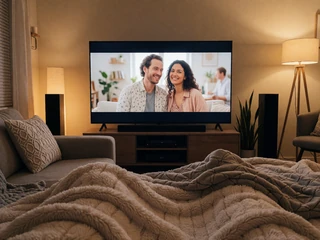
4. Cozy Movie Night
A home movie setup eliminates every external variable. Choose a film together in advance, prepare snacks, and enjoy a date with zero crowds, zero noise, and complete control over the environment.
But there's a catch: predictability doesn't mean rigidity. The goal isn't to eliminate every surprise - it's to reduce the kind of unpredictability that triggers anxiety. A familiar venue with a flexible timeline (arrive when ready, leave when comfortable) gives both partners room to breathe. LimitlessLove's 72-hour response window means there's no pressure to reply instantly, which naturally reduces the urgency that can feed compulsive checking behaviors.
Boundaries
Partner vs. Caregiver Boundaries
A healthy relationship is a partnership, not a treatment plan. Here's how to keep the line clear.
The most common boundary issue in OCD dating is the slow drift from partner to caregiver. It starts small - providing reassurance, accommodating a ritual, adjusting plans to avoid a trigger. Over time, these accommodations can accumulate until one partner is functioning as an unofficial therapist, and the relationship has lost its romantic equilibrium.
The fix isn't to withdraw support. It's to define what support looks like. A partner can be understanding without enabling compulsions. They can listen without providing the specific reassurance the compulsion demands. They can encourage treatment without managing it.
The real question is: where does empathy end and enabling begin? The answer varies for every couple, but the principle is constant - discuss it openly, revisit it regularly, and when in doubt, defer to the guidance of a mental health professional. A partner's role is to love, not to treat.
Healthy Partner Role
- Listening with empathy when compulsions arise
- Encouraging professional treatment and ERP therapy
- Respecting boundaries around reassurance-seeking
- Planning predictable, low-stress dates
- Learning about OCD from reputable sources
Caregiver Role (Not Your Job)
- Providing compulsive reassurance on demand
- Participating in or facilitating rituals
- Managing medication or therapy appointments
- Monitoring symptoms daily like a clinician
- Restructuring your life around OCD entirely
Profile Guide
Profile Tips for OCD Dating
Your profile should reflect who you are - not just your diagnosis. Here's how to strike the right balance.
Good: "Reader, hiker, and amateur baker who loves a quiet Sunday. I have OCD that I manage with therapy - it's part of my life, not the whole story. Looking for someone patient, curious, and open to honest conversations about mental health."
Avoid: "I have severe OCD. I need everything to be perfect and I'll probably ask you the same question five times. If you can't handle my compulsions, don't message me."
The good example leads with personality and interests, mentions OCD as one part of a full life, and frames it with self-awareness. The bad example makes OCD the entire identity and sets a confrontational tone before a conversation even begins.
On LimitlessLove, you control when and how you disclose. You can mention OCD in your bio, share it in a private message once trust is built, or use the platform's communication preference filters to indicate your preferred pace. The choice is yours - and it's respected.
FAQ
Frequently Asked Questions
Common questions about OCD dating and neurodivergent love.
What is the best dating app for disabled people?
LimitlessLove is a dating platform built specifically for people with disabilities and neurodivergent conditions, including OCD. It offers 12 specialized communities, human-led moderation reviewed within 24 hours, free basic features including messaging and video dating, and a 72-hour response window that reduces the pressure fueling compulsive checking behaviors.
Should I disclose OCD in my dating profile?
It depends on your comfort level. Some people prefer to mention it upfront to filter out incompatible matches, while others wait until trust is established. On LimitlessLove, you control when and how you disclose. The key is to share before compulsions create confusion in the relationship, not after.
How do I stop being a caregiver to my OCD partner?
Set clear boundaries around what you will and will not do. Avoid providing compulsive reassurance, encourage professional treatment like ERP therapy, and have open conversations about the difference between supporting and enabling. Your role is to be a loving partner, not a therapist.
Can people with OCD have healthy relationships?
Yes. With professional treatment, open communication, and mutual understanding, people with OCD build fulfilling, lasting relationships. OCD is a manageable condition, not a barrier to love. Many people with OCD are deeply self-aware and bring exceptional empathy to their partnerships.
What are good date ideas for someone with OCD?
Low-surprise, predictable environments work best: a familiar bookstore, a quiet gallery during off-hours, a known nature trail, or a cozy movie night at home. Avoid chaotic venues with unpredictable crowds or sensory overload. Plan dates with flexible timelines so neither partner feels rushed.